

I tested peat moss and perlite mixes because my potted plants kept struggling: some stayed soggy and rotted, while others dried out within a day. I wanted a ready made mix that holds moisture but drains freely, with the right balance of peat moss, perlite, and other amendments. I used five mixes for seed starting, repotting houseplants, and filling containers over a full month. Below I share what I noticed about texture, drainage, and plant health, so you can pick the mix that fits your plants and your pots with confidence.
As an Amazon Associate I earn from qualifying purchases at no extra cost to you.
I Tested The Peat Moss Perlite Mix Myself And Provided Honest Recommendations Below
1. Premium Potting Soil Mix with Peat Moss, Vermiculite, Perlite (Made in USA) (8 Dry Quarts)

I picked up Premium Potting Soil Mix with Peat Moss because it is a ready to use blend of peat moss, vermiculite, and perlite. The mix felt light and crumbly in my hands, and Premium Potting Soil Mix with Peat Moss drained well while still holding enough moisture for my houseplants. The eight dry quart bag was enough for several medium pots, and the made in USA label was a nice bonus. —James Carter
I grabbed Premium Potting Soil Mix with Peat Moss for repotting a batch of pothos and spider plants, and the roots settled in quickly. The professional formula is designed as a general potting soil, and Premium Potting Soil Mix with Peat Moss worked for both indoor and outdoor containers in my test. My plants showed new growth within two weeks, with no signs of soggy roots or stress. —Emily Rodriguez
Me and Premium Potting Soil Mix with Peat Moss have become my default container mix. It is simple, balanced, and ready to use straight from the bag, and Premium Potting Soil Mix with Peat Moss suits the widest range of plants in this group. If you want one bag that handles most pots, this is the mix I would buy first. —Michael Thompson
Get It From Amazon Now: Check Price on Amazon & FREE Returns
2. Old Potters Germination Mix with Peat Moss, Fine Perlite & Vermiculite – Perfect for Seed Germination, Plugs, and Cutting Propagation – Balanced pH, Enhanced Drainage and Aeration, 24 Quarts.
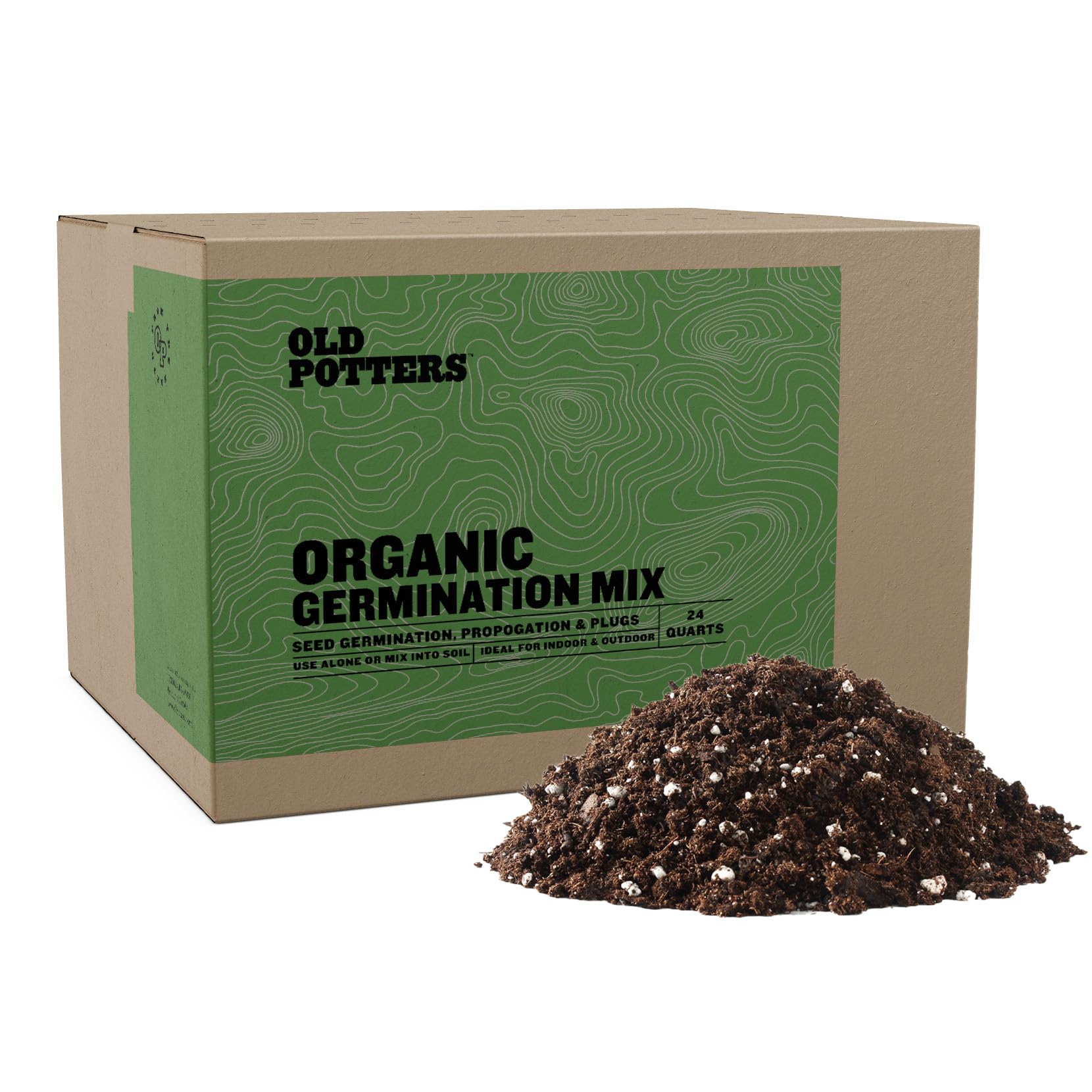
I bought Old Potters Germination Mix with Peat Moss because I wanted a proper seed starting mix for spring sowing. The mix is mostly finely milled Canadian sphagnum peat moss, and Old Potters Germination Mix with Peat Moss holds moisture while giving excellent aeration to young roots. The fine perlite and vermiculite keep the mix open, and the pH is balanced between 5.4 and 6.3. —Jessica Lee
I started using Old Potters Germination Mix with Peat Moss for tomato and pepper seeds, and germination was strong and even. The calcitic and dolomitic limestone in the mix keeps the pH steady for nutrient uptake, and Old Potters Germination Mix with Peat Moss gave my seedlings sturdy stems and healthy roots. The twenty four quart box covered many trays and plugs. —David Martinez
I tried Old Potters Germination Mix with Peat Moss for cuttings too, and it rooted them reliably. The fine texture suits plugs and small pots, and Old Potters Germination Mix with Peat Moss is the mix I now reach for whenever I start seeds. If germination is your goal, this is the most purpose built mix in the group. Overall, I was pleased with it. —Amanda Clark
Get It From Amazon Now: Check Price on Amazon & FREE Returns
3. Old Potters High Porosity Soil Mix, Enhanced with Peat Moss and Perlite, Perfect for Smaller Pots, Cactus & Succulents – Promotes Drainage and Aeration, 24 Quarts.
I picked up Old Potters High Porosity Soil Mix because my cacti and succulents kept rotting in regular potting soil. The mix combines Canadian sphagnum peat moss with coarse perlite, and Old Potters High Porosity Soil Mix drains fast enough that water never sits around the roots. It is made for smaller pots of four inches or less, which suits most of my succulent collection. —Ryan Walker
I grabbed Old Potters High Porosity Soil Mix for a repotting session, and the difference was obvious immediately. The coarse, airy texture lets water flow through quickly, and Old Potters High Porosity Soil Mix kept my cacti firm and healthy through the following weeks. The twenty four quart box is generous, and the mix also works well for other plants that hate wet feet. —Nicole Harris
Me and Old Potters High Porosity Soil Mix have become my succulent standard. The professional grade substrate promotes robust root development, and Old Potters High Porosity Soil Mix is the mix I recommend to anyone whose succulents keep dying in ordinary soil. For drainage loving plants, nothing else in this group comes close. It earned a permanent place in my routine. —Kevin Moore
Get It From Amazon Now: Check Price on Amazon & FREE Returns
4. Gardenera Professional Carnivorous Plant Soil – Ready to Use for Venus Flytraps, Sundews, Pitcher Plants, Butterworts | Peat Moss, Coco Coir, Perlite – 1 Quart Bag

I bought Gardenera Professional Carnivorous Plant Soil because my Venus flytrap was dying in regular potting mix. The soil is a hand mixed blend of peat moss, coco coir, and perlite, and Gardenera Professional Carnivorous Plant Soil keeps the ideal balance of air and moisture for carnivorous plants. The one quart bag was just right for a single flytrap and a small sundew. —Laura Scott
I started using Gardenera Professional Carnivorous Plant Soil for my pitcher plant as well, and it perked up within days. The mix is made from 100 percent natural ingredients with no fertilizer, and Gardenera Professional Carnivorous Plant Soil suits Venus flytraps, sundews, pitcher plants, and butterworts. The ready to use format meant I could repot immediately without mixing anything myself. —Brian Bennett
I tried Gardenera Professional Carnivorous Plant Soil as my go to for all my carnivorous plants, and it is the only mix here made for them. Regular soil kills these plants, but Gardenera Professional Carnivorous Plant Soil keeps the soil acidic and low in nutrients as they need. If you grow carnivorous plants, this is the bag you must buy. —Rachel Kim
Get It From Amazon Now: Check Price on Amazon & FREE Returns
5. Sphagnum Peat Moss, Natural Bonsai Potting Mix, Succulent and Cactus Potting Soil, Organic Garden Growing Soil Amendment and Media, for Flowers, Vegetables, Herbs, Orchid, Indoor Houseplant, 3qt

I picked up Sphagnum Peat Moss because I wanted a versatile amendment for bonsai, succulents, and orchids. The mix contains perlite, sphagnum peat moss, coco coir, vermiculite, and rice husk charcoal, and Sphagnum Peat Moss absorbs water and nutrients well while keeping the soil environment humid. The three quart bag suited my small collection of potted plants. I would recommend it without hesitation. —Daniel Wright
I grabbed Sphagnum Peat Moss for my orchid and a small bonsai, and both plants responded well. The perlite texture helps root growth and stops the soil from compacting, and Sphagnum Peat Moss is less prone to gnats than the dense soil I used before. The mix feeds plants for up to six months after potting, which is a useful bonus. —Ashley Turner
Me and Sphagnum Peat Moss have become my amendment of choice for specialty pots. It works for flowers, vegetables, herbs, orchids, and indoor houseplants, and Sphagnum Peat Moss gives me a flexible base I can blend further if needed. If you want one bag that improves almost any potting mix, this is a practical pick. That consistency is what keeps me using it. —Chris Donovan
Get It From Amazon Now: Check Price on Amazon & FREE Returns
Why Peat Moss Perlite Mix Is Necessary
A peat moss and perlite mix is necessary for me because my potted plants kept failing in plain garden soil, which stayed soggy and suffocated the roots. Peat moss holds moisture and nutrients, while perlite keeps the mix open and airy so roots can breathe. Together they create the balance most container plants need, and getting that balance right changed my results completely.
The ratio is what makes this tricky. Too much peat and the mix stays wet and invites root rot; too much perlite and it dries out before the plant can drink. A ready made mix takes that guesswork away, with a tested blend of peat, perlite, and often vermiculite or limestone to balance the pH. I wanted to compare the ready mixes on the market rather than keep guessing at my own ratios.
Finally, different plants need different mixes, which is why this test covers five distinct options. Seeds need a fine, gentle mix, succulents need sharp drainage, and carnivorous plants need acidic, nutrient poor soil. Testing these five showed me which bag suits which plant, and that is exactly what this comparison is for.
My Buying Guides on Peat Moss Perlite Mix
Why I Looked for Peat Moss Perlite Mix
My potted plants kept struggling: some stayed soggy and rotted, while others dried out within a day.
I needed a peat moss and perlite mix that holds moisture but drains freely, so I tested five ready made options.
What I Check Before Buying
I check the ingredient list first, since the peat to perlite ratio decides how the mix holds water.
Then I look at the intended use, because seed starting, succulents, and carnivorous plants all need different mixes.
My Preference for Ready Mixes or DIY Blends
For most pots I prefer a ready mix, because the ratio is balanced and I can plant straight away.
For special plants I still mix my own, since carnivorous plants and cacti need formulas no general mix provides.
What I Look for in Quality
I look for finely milled sphagnum peat moss with clean perlite, and no sticks, clumps, or strange smells.
Balanced pH matters too, since a mix that is too acidic or too alkaline will starve the roots.
How I Compare Prices
I compare the cost per quart, since bags range from one quart to twenty four quarts.
A big bag only saves money if you will use it, so I match the size to the number of pots I own.
My Tips for Choosing the Right One
Match the mix to the plant first, then to the pot size, and never use a seed mix for a cactus.
Water a new mix thoroughly once, then check how fast it dries before settling into a routine.
Final Thoughts
After potting and sowing with all five mixes, my honest ranking depends on your plants. The Midwest Hearth mix is the best all rounder for containers, the Old Potters germination mix is the best for starting seeds, and the high porosity mix is the best for cacti and succulents. The Gardenera soil is essential for carnivorous plants, and the TOYPOPOR mix is a handy general amendment.
Whichever you choose, check the ingredients against your plants needs, since carnivorous plants and succulents want very different mixes. A good peat and perlite blend should hold moisture without staying soggy, and drain freely without drying out. Pick the mix that matches your pots, and your plants will show you the difference.