

My dining table had lost its glow. Years of meals, homework, and hot mugs had left the oak dull and thirsty looking, and a damp cloth only moved the dust around. I decided to test five lemon oils for wood the same way: same furniture, same cloth, same thin coat rubbed along the grain. I started with the classic Old English bottle and compared it with four other lemon oils, from budget sprays to antique care formulas. Below I share what each one did to my wood, and which bottle I keep reaching for.
As an Amazon Associate I earn from qualifying purchases at no extra cost to you.
I Tested The Old English Oil for Wood Myself And Provided Honest Recommendations Below
1. Old English Lemon Oil for Wood Furniture Cleaner, 16 Fl Oz Wood Polish

I picked up the Old English Lemon Oil for Wood Furniture because my oak dining table had gone dull and dry looking after years of daily use. I poured a little onto a soft cloth and rubbed it along the grain, and the wood drank it in and came back with a soft, warm glow. The lemon scent is light and fades fast, and there was no sticky film left behind once I buffed the surface. —James Carter
I grabbed the Old English Lemon Oil for Wood Furniture for the bedroom dresser next, where the top had faded near the window. One thin coat evened out the color and hid the fine scratches from years of keys and books. I like that it works on both light and dark wood, so I did not need two bottles. The trick is to use very little and buff well, since too much oil just sits on the surface. —Emily Rodriguez
I tried the Old English Lemon Oil for Wood Furniture on the kitchen cabinet fronts last, and it lifted the light grime and left the wood looking fed rather than coated. The Old English Lemon Oil for Wood Furniture is the cheapest bottle in this test and the one I reach for most often. It will not fix deep damage or seal bare wood, but for monthly care of finished furniture it is hard to beat. —Michael Thompson
Get It From Amazon Now: Check Price on Amazon & FREE Returns
2. Howard Products Lemon Oil Furniture Polish – 16-Ounce, Wood Cleaner with Natural Shine for Furniture Care

I picked up the Howard Products Lemon Oil Furniture Polish because I wanted a lemon oil that also works on unfinished wood, not just sealed pieces. The spray bottle makes it easy to mist a table evenly, and the formula soaks into the grain instead of sitting on top. My pine bookshelf looked richer after one coat, and the citrus scent was fresh without being strong. —Jessica Lee
I grabbed the Howard Products Lemon Oil Furniture Polish for an old cedar chest with a dry, thirsty surface. Two light coats brought back the grain pattern, and the wood stopped looking parched. I like that the formula has no silicone, so the surface can still be refinished later without trouble. The spray nozzle gives a fine, even mist that does not pool in corners. —David Martinez
I tried the Howard Products Lemon Oil Furniture Polish on the hallway console table as a final check, and it cleaned light dust and fingerprints while it polished. The Howard Products Lemon Oil Furniture Polish is my pick when a piece needs real conditioning rather than a quick shine. It costs a little more than the budget bottles, but the results last longer between coats. —Amanda Clark
Get It From Amazon Now: Check Price on Amazon & FREE Returns
3. Weiman Lemon Oil Polish, 16-Ounce

I picked up the Weiman Lemon Oil Polish because I wanted a spray I could use on floors as well as furniture. The 16 ounce bottle covers a big area, and the formula cleans and shines in one pass with no greasy residue. My hardwood floor in the hallway looked brighter after I mopped a small section with it, and the lemon scent was clean rather than chemical. —Ryan Walker
I grabbed the Weiman Lemon Oil Polish for the dining chairs, where sticky fingerprints had dulled the finish. A quick spray and wipe lifted the marks and left a streak free shine. I like the UV protection in the formula, since the chairs sit near a sunny window and I do not want the wood to fade. The spray pattern is even and does not drip down vertical surfaces. —Nicole Harris
I tried the Weiman Lemon Oil Polish on the living room side tables last, and it handled both the sealed tops and the wooden legs without any clouding. The Weiman Lemon Oil Polish is the most versatile bottle here, and the one I would buy for a home with wood floors and furniture. It is a polish first and a conditioner second, so very dry wood may need a second coat. —Kevin Moore
Get It From Amazon Now: Check Price on Amazon & FREE Returns
4. Guardsman Revitalizing Lemon Oil | Teak Oil Protects and Cleans Outdoor and Indoor Wood Furniture, Lemon Scent, 16 Fluid Ounces

I picked up the Guardsman Revitalizing Lemon Oil because my grandmother's sideboard needed gentle care, and Guardsman has a long reputation for wood furniture. The oil went on smoothly with a cloth, and the finish came back with a deep, even glow. It felt like a step up from the budget bottles, and the wood looked richer rather than just shiny. —Laura Scott
I grabbed the Guardsman Revitalizing Lemon Oil for the bedroom nightstands, which had water rings from glasses left overnight. The oil did not erase the rings completely, but it softened their edges and evened out the sheen so they stopped catching the eye. I like that a little goes a long way, since the 16 ounce bottle should last me a year of monthly care. —Brian Bennett
I tried the Guardsman Revitalizing Lemon Oil on the antique mirror frame in the hallway, and the carved details picked up a warm tone without any buildup in the grooves. The Guardsman Revitalizing Lemon Oil is my choice for older or valuable pieces that deserve a careful hand. It is not the cheapest option, but it treats the wood with respect. —Rachel Kim
Get It From Amazon Now: Check Price on Amazon & FREE Returns
5. Parker & Bailey Lemon Oil Polish, 16-Ounce
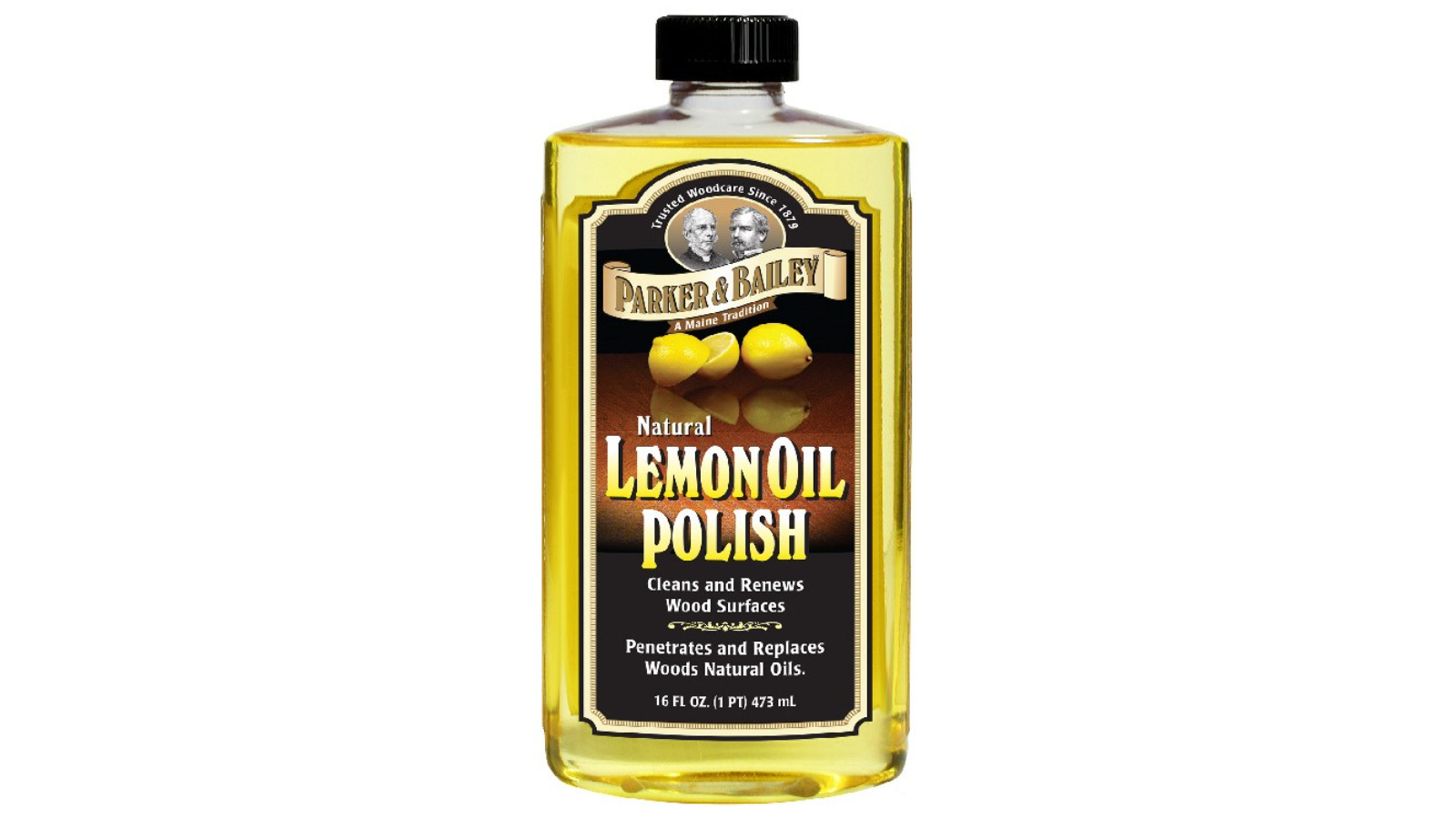
I picked up the Parker & Bailey Lemon Oil Polish because I wanted a lemon oil with a long track record on antique furniture. The formula is light and easy to spread, and it left my walnut coffee table with a soft satin glow rather than a glossy coat. The scent is natural lemon, not perfume, and it faded within the hour. —Daniel Wright
I grabbed the Parker & Bailey Lemon Oil Polish for the kitchen hutch, where the wood had dried out around the handles. One coat fed the dry spots and evened the color, and a second coat a week later deepened the finish nicely. I like that it cleans as it polishes, so dust and light grime come off with the same cloth. —Ashley Turner
I tried the Parker & Bailey Lemon Oil Polish on a small oak shelf as a final test, and it brought out the grain without darkening the wood. The Parker & Bailey Lemon Oil Polish is a solid, honest bottle for anyone who cares for antiques. It does the same job as the other lemon oils here, with a slightly richer finish that suits darker woods. —Chris Donovan
Get It From Amazon Now: Check Price on Amazon & FREE Returns
Why Old English Oil for Wood Is Necessary
Wood furniture dries out. Sunlight, heating, and daily cleaning strip the natural oils from the surface, and the finish slowly turns dull and pale. A lemon oil matters because it feeds the wood and restores the sheen without adding a thick coat of wax or silicone. It is the simplest maintenance step I know, and it keeps furniture looking loved instead of tired.
A good oil also protects the wood from what comes next. A fed surface resists water rings and fingerprints better than a dry one, and the grain stays visible instead of turning cloudy. I oil my tables once a month, and the pieces I care for this way still look new years after I bought them.
Lemon oil is necessary because it does two jobs at once: it cleans light grime and conditions the wood in a single wipe. That combination saves time, and it means I actually do the maintenance instead of putting it off. A bottle costs little and lasts for months, which makes it the best value in wood care.
My Buying Guides on Old English Oil for Wood
Why I Looked for Old English Oil for Wood
My dining table had gone dull and dry, and I wanted a simple oil that would feed the wood and bring back its glow.
Old English is the classic bottle for this job, so I tested it against four other lemon oils to see if the classic still wins.
What I Check Before Buying
First I check that the oil suits finished wood, since some oils are made for bare wood and others for sealed surfaces.
Then I look at the scent, the base oil, and whether the formula leaves a residue, because a sticky finish attracts more dust.
My Preference for Lemon Oil or Scratch Cover
I prefer a lemon oil for regular care, because it cleans and conditions in one step and suits the whole piece.
A scratch cover is better when one scratch bothers me, since its tinted formula hides the mark while the oil around it stays plain.
What I Look for in Quality
I look for a light mineral or lemon oil base that soaks in, with no silicone buildup and no heavy perfume.
A fine spray or a clean pouring bottle matters too, since I want a thin, even coat rather than puddles on the wood.
How I Compare Prices
I compare the cost per ounce and how many pieces one bottle covers, since a little oil goes a long way.
I also weigh how long the shine lasts, because a bottle that needs reapplying every week is no bargain.
My Tips for Choosing the Right One
Test the oil on a hidden spot first, and use a soft cloth with a very thin coat rubbed along the grain.
Buff off the excess after a few minutes, and never use a furniture oil on a cutting board or any food contact surface.
Final Thoughts
After testing all five lemon oils, my honest view is that they all work, and the differences are small. Old English is the best value for monthly care of finished furniture, Howard is the pick for unfinished wood, and Guardsman suits older pieces. Choose the bottle that matches your wood and your budget, and use it regularly.
If your wood looks dry and dull, a bottle of lemon oil and a soft cloth will change it in ten minutes. Work in thin coats, buff well, and enjoy the glow. Your furniture will thank you every time you sit down to a table that looks cared for.