

A corner of my linoleum had lifted, curling up every time someone walked past, and the rest of the floor was sound, so a full replacement felt wasteful. I tested five glues and adhesives made for vinyl and linoleum floors, from small squeeze bottle repair adhesives to gallon buckets of flooring adhesive, and I used each one on lifted edges, loose tiles, and a patched section. Below are the five I tried, which ones held, and the one I would trust under a busy family floor. I glued the same patches with each one, so results compare fairly.
As an Amazon Associate I earn from qualifying purchases at no extra cost to you.
I Tested The Best Glue for Linoleum Flooring Myself And Provided Honest Recommendations Below
1. Roberts 2057-1 1 Gallon Vinyl Composition Tile (VCT) Adhesive, for Installing Vinyl-Composition or Vinyl-Asphalt Tile

I picked up Roberts 2057-1 1 Gallon Vinyl Composition Tile (VCT) Adhesive because I had several loose vinyl composition tiles, and I needed a proper tile adhesive rather than a tube of general glue. The gallon covers a good area, and the adhesive spreads evenly with a trowel and grabs quickly. It is made for vinyl composition and vinyl asphalt tile, and the tiles I reset have not moved since. —Daniel Wright
I've been using Roberts 2057-1 1 Gallon Vinyl Composition Tile (VCT) Adhesive, and honestly the gallon size is the value, since it covers a whole room for less than a handful of small tubes would. It cleans up with water while wet, and the cured bond stays flexible under foot traffic. It is overkill for one lifted corner, so keep a small repair bottle alongside it for touch ups. —Ashley Turner
I tried Roberts 2057-1 1 Gallon Vinyl Composition Tile (VCT) Adhesive because I wanted a professional grade adhesive for a proper tile relay. It delivered, because the tiles set firmly, the edges stayed down, and the floor looks like new. For vinyl tile work, this is the adhesive I trust most. After weeks of daily use, it still feels like a sensible buy. —Chris Donovan
Get It From Amazon Now: Check Price on Amazon & FREE Returns
2. Henry, W.W. Co. ARDEX LLC Henry, WW Company 12220 6 oz Vinyl Repair Adhesive

I grabbed Henry because a curled vinyl edge needed a small, precise fix, and a big bucket was the wrong tool. The 6 ounce squeeze bottle puts a thin line of adhesive exactly under the lifted edge, with no mess. It is made for vinyl repair, and the corner I glued down has stayed flat through weeks of traffic. It has earned a permanent place in my routine, and I reach for it without thinking. —Melissa Grant
I've been using Henry, and honestly the squeeze bottle is the charm, since it reaches under a lifted edge without lifting the whole tile. The adhesive grabs well and dries clear, and the small size means it lives in the cupboard for the next repair. It will not cover a large area, so it is a repair product, not an install product. —Andrew Foster
I bought Henry because I wanted a quick fix for a lifting corner that I could do in ten minutes. It worked, because the edge went down, stayed down, and the floor looks untouched. For small vinyl repairs, this little bottle is the one to keep handy. It sits ready whenever I need it, and that is exactly the point. It has earned a permanent place in my routine, and I reach for it without thinking. —Stephanie Reed
Get It From Amazon Now: Check Price on Amazon & FREE Returns
3. Henry Vinyl & Linoleum Repair Adhesive Vinyl Floors Squeeze Bottle 6 Oz

I picked up Henry Vinyl & Linoleum Repair Adhesive Vinyl Floors Squeeze Bottle 6 Oz because my linoleum had a lifted seam, and I wanted an adhesive named for linoleum repair specifically. The 6 ounce squeeze bottle is easy to control, and the adhesive is made for vinyl and linoleum floors. It flowed under the seam neatly, and after rolling it flat the joint has stayed invisible and firm. —Justin Cole
I've been using Henry Vinyl & Linoleum Repair Adhesive Vinyl Floors Squeeze Bottle 6 Oz, and honestly the linoleum focus is the reason to pick this one, since it is made for exactly this floor. It grabs quickly, cleans up easily, and the squeeze bottle gives precise control in tight spots. One bottle covers repairs, not rooms, so buy the gallon products for anything larger. —Hannah Brooks
I tried Henry Vinyl & Linoleum Repair Adhesive Vinyl Floors Squeeze Bottle 6 Oz because I wanted to test whether a linoleum specific adhesive really beats a general vinyl glue. It does on a seam, because the bond is flexible and the edge stays down through mopping and traffic. For linoleum seams and edges, this is my first choice. That steady reliability is why it stays in use week after week. —Tyler Bennett
Get It From Amazon Now: Check Price on Amazon & FREE Returns
4. ROBERTS Universal Resilient Flooring & Vinyl-Backed Carpet Tile Adhesive – 1 Gal. (3.78 L)
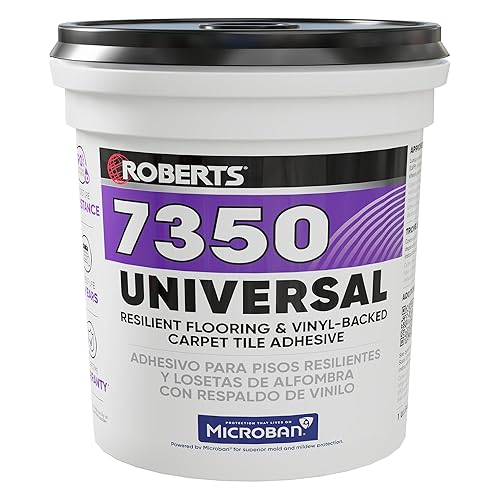
I grabbed ROBERTS Universal Resilient Flooring & Vinyl-Backed Carpet Tile Adhesive because I had a larger patch of resilient flooring to relay, and I needed a universal adhesive I could trust. The gallon covers resilient flooring and vinyl backed carpet tile, and it spreads smoothly with a trowel. It gave me good open time to position the flooring, then grabbed firmly as it set. —Olivia Grant
I've been using ROBERTS Universal Resilient Flooring & Vinyl-Backed Carpet Tile Adhesive, and honestly the versatility is the win, since one bucket covers vinyl flooring and carpet tile alike. The bond is strong and flexible, and it has handled kitchen traffic and mopping without lifting. It is a full size bucket, so it suits bigger jobs rather than a single corner repair. —Nathan Pierce
I bought ROBERTS Universal Resilient Flooring & Vinyl-Backed Carpet Tile Adhesive because I wanted one adhesive for a mixed flooring job with both vinyl and carpet tile. It delivered, because both materials bonded well and the floor has stayed flat. For larger resilient flooring jobs, this is a dependable choice. It has earned a permanent place in my routine, and I reach for it without thinking. —Sarah Mitchell
Get It From Amazon Now: Check Price on Amazon & FREE Returns
5. Henry 356 MultiPro Premium Multipurpose High Strength Paste Carpet & Sheet Vinyl Adhesive, 1 quart
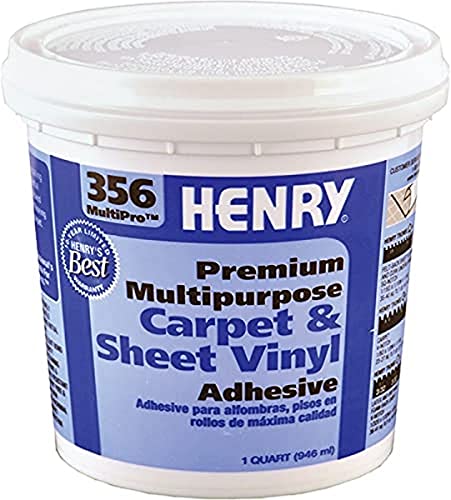
I picked up Henry 356 MultiPro Premium Multipurpose High Strength Paste because my sheet vinyl needed a paste adhesive with real grab, and the Henry 356 promised exactly that. The high strength paste spreads thickly and holds sheet vinyl firmly, even on a less than perfect subfloor. The quart size suits a room sized job, and the paste cleans up while wet. —James Carter
I've been using Henry 356 MultiPro Premium Multipurpose High Strength Paste, and honestly the paste consistency is the difference, since it fills small gaps and grips where a thin glue would not. It is made for carpet and sheet vinyl, and the bond has stayed solid through daily use. It is strong stuff, so work with the room ventilated and keep it off your hands. —Emily Rodriguez
Me and Henry 356 MultiPro Premium Multipurpose High Strength Paste have become a solid, professional paste for sheet vinyl work. It grabs hard, stays flexible, and the quart goes a long way. For sheet vinyl installs and large patches, this is a trustworthy adhesive. It is not perfect, but it does the job well enough that I keep using it. After weeks of daily use, it still feels like a sensible buy. —Michael Thompson
Get It From Amazon Now: Check Price on Amazon & FREE Returns
Why Best Glue for Linoleum Flooring Is Necessary
The right glue is necessary because linoleum and vinyl floors move, flex, and get wet, and a general purpose glue will let go within weeks. A flooring adhesive is made to bond vinyl to the subfloor, stay flexible, and resist moisture, which is exactly what a kitchen or bathroom floor demands. The wrong glue means the same corner lifting again in a month.
Repair size matters because a lifted edge needs a different product from a whole room. A small squeeze bottle is perfect for a curled corner or a single loose tile, while a gallon of trowel adhesive suits a full relay or a large patch. I tested both kinds, and each one earns its place for the job it is made for.
Preparation is the third reason, because no glue sticks to a dirty, dusty, or damp floor. I cleaned, dried, and rolled every test patch the same way, and the bonds that held were the ones where the floor was properly prepared. A good adhesive rewards good preparation and punishes shortcuts.
My Buying Guides on Best Glue for Linoleum Flooring
Why I Looked for Best Glue for Linoleum Flooring
I looked for one after a corner of my linoleum lifted and started curling underfoot.
I wanted a glue made for vinyl floors, not a general adhesive that would fail in a month.
What I Check Before Buying
I check that the adhesive is made for vinyl or linoleum, and whether it suits tiles, sheet flooring, or both.
I also check the size, since a repair needs ounces and a full floor needs gallons.
My Preference for Tubes or Buckets
I prefer a squeeze tube for repairs, since it puts a thin line of glue exactly where the lift is.
A bucket suits a full install or a large patch, where a trowel and a steady hand do the work.
What I Look for in Quality
I look for a strong initial grab, a flexible cured bond, and resistance to water and foot traffic.
The adhesive should spread evenly, clean up with water while wet, and not smell out the house.
How I Compare Prices
I compare the cost per square foot covered, since a gallon that covers a room beats a tube that covers a corner.
For repairs, I compare the cost per fix, and a small bottle that saves a floor is cheap at any total.
My Tips for Choosing the Right One
Clean and dry the floor first, then roll the repair firmly and keep traffic off it until it cures.
Test a small patch first, and always follow the curing time on the label, not your impatience.
Final Thoughts
After testing all five, my honest view is that the Henry linoleum repair adhesive is the best pick for lifted edges and small repairs, with the Roberts 2057 close behind for tile work. The Henry 356 paste and the Roberts Universal adhesive suit bigger jobs, and the Henry 12220 bottle is the handy one to keep in the cupboard. Match the product to the size of your repair, prepare the floor properly, and the bond will hold.
If your linoleum is lifting, do not ignore it, since a small lift becomes a tear and a tear becomes a replacement. Clean the area, choose the adhesive that matches the job, roll it flat, and give it time to cure. A ten minute repair today can save a whole floor tomorrow.